


























“Fish only live for about a month”
You’ve probably heard this from someone after you plop your brand new goldfish into a fishbowl.
However, most fish, especially common beginner fish, such as bettas or goldfish can live for years!
“Then why do fish tend to die within a few months of owning?” — you may ask.
Well, turns out, fishkeeping is deeper than you’d think.
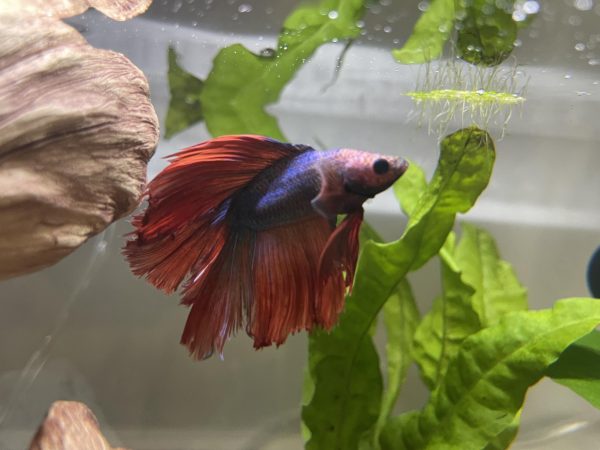
Firstly, fish can’t live well in small bowls.
It’s commonly agreed that goldfish need to live in around a 20 gallon fishtank, and betta fish need 5 gallons — but a 10 gallon tank is recommended for beginners, as it’s easier to uphold water parameters.
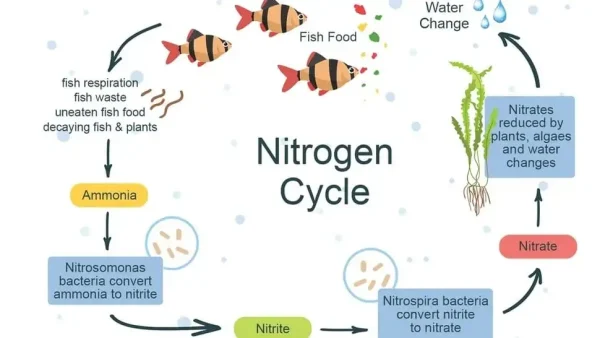
Speaking of water parameters — the nitrogen cycle is also crucial knowledge for fishkeeping!
Believe it or not, fish poop! And this poop is toxic to them, and as it breaks down in the water, it produces ammonia, an extremely toxic chemical that will kill a fish if not kept in check.
Luckily, we can thank beneficial bacteria for breaking this ammonia down.
However, this bacteria produces a waste of its own — nitrite.
Luckily for us, nitrite is less deadly to fish, but poison is still poison.
I would continue about nitrite, except, there’s more bacteria that likes to eat nitrite!
But as you expected, this bacteria produces more waste — nitrate.
And as you probably expected again, nitrate is less poisonous than nitrite.
However, instead of bacteria eating nitrate, any plants in the tank will also consume it.
But you can’t expect plants to do all the work! (especially if you don’t have plants in your tank)
This is where water changes come in! Changing the water will get rid of nitrates perfectly fine.
Now, how often you should be changing your water is up to you.
Most do weekly or bi-monthly, however, depending on how stable your tank is, and how well-planted the tank is also plays a factor in water change frequency.
To start up a fishtank cycle, you have to introduce ammonia into the tank — whether as straight chemical, or through fish food.
After doing this, test the water quality daily, until you start seeing nitrates, which should start appearing after a month.
Once the tank has been cycled, you can add your fish!
Another common misconception about fishkeeping is water changes, and how they should be completed.
Unlike common belief, you shouldn’t dump the fish out into a different container, clean the tank, and put the fish back in.
What you should be doing is using a water siphon, and siphoning around 20%–40% of the tank’s water out into a separate container, and then adding new water into said tank, along with any water conditioner you’re adding to the tank.
Now, to circle all the way back to water parameters, and the nitrogen cycle, you may know how it works, but “How do I check my parameters?”
Well, dearly, newly informed, soon-to-be-fish-fanatic, you can check your water parameters by using water testing strips — better yet, water test kits.
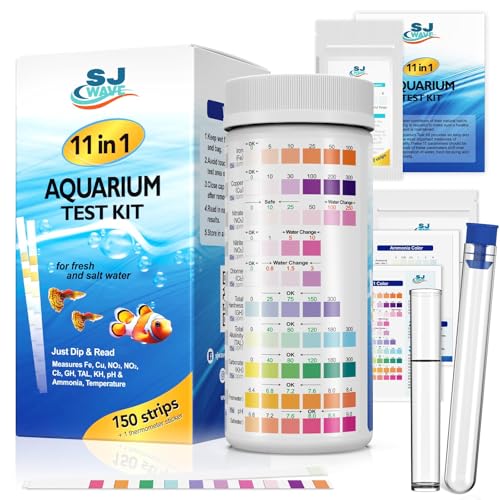
The two are similar, however, water testing kits tend to be more accurate… and more expensive as well.
There is so much more I could write about fish, and fishkeeping, such as dealing with algae with razor blades instead of algae eaters, how to plant a tank, specific needs of certain fish, and so much more.
However, this article is just an opening into the complexities of fishkeeping, and if this has interested you at all/you plan on setting up a fishtank soon, I’d highly advise you visit, Everything Fishkeeping: Simple, Practical Fishkeeping & Aquarium Tips and Fish Keeping Academy – Home – Fish Keeping Academy — but more importantly, to do some research on your own.
On top of all of this, I would recommend shopping locally, such as at Animal House Pets or Dustin’s Fishtanks.
However, if you do find yourself in a chain store, such as in Petsmart or Petco, I would suggest taking what employees say with a grain of salt, as oftentimes they themselves aren’t fully educated on fishkeeping.
Anyways, with all that said, thank you for spending your time reading this article, and happy fishkeeping!
